
Varicose Veins: TCM & Ayurveda Perspective
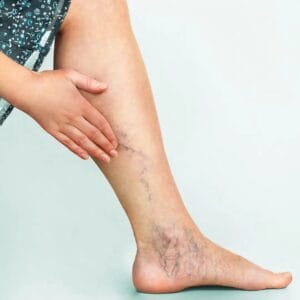
Varicose veins are a common vascular condition that affects millions of people worldwide. While modern medicine offers various treatment options, traditional systems like Traditional Chinese Medicine (TCM) and Ayurveda provide unique perspectives on the causes and treatments of varicose veins. In this blog, we explore the main reasons for varicose veins according to TCM and Ayurveda, offering insights into holistic approaches for managing this condition.
Understanding Varicose Veins
Varicose veins are enlarged, twisted veins that usually occur in the legs. They develop when the valves within the veins weaken or fail, causing blood to pool and the veins to swell. Common symptoms include:
-
Pain
-
Heaviness in the legs
-
Aching sensation
-
Visible, bulging veins
TCM Perspective on Varicose Veins
In Traditional Chinese Medicine, varicose veins are often attributed to imbalances in the body’s Qi, blood, and meridian systems. According to TCM theory, the main contributing factors include:
1. Qi Stagnation
Stagnant Qi can lead to blood stagnation, causing veins to become swollen and varicose. Contributing factors include:
-
Prolonged sitting or standing
-
Lack of exercise
-
Emotional stress
2. Blood Stasis
Poor circulation and sluggish blood flow result in blood stasis, which manifests as varicose veins. TCM treatments often focus on:
-
Improving circulation
-
Resolving blood stagnation using herbs and acupuncture
3. Spleen and Kidney Deficiency
The spleen and kidneys play a vital role in maintaining healthy blood circulation. Deficiencies in these organs can weaken vein walls and lead to varicosities. Treatment may include:
-
Herbal formulations
-
Dietary therapy to strengthen spleen and kidney Qi
4. Dampness and Phlegm
Excess dampness and phlegm can obstruct the smooth flow of Qi and blood, worsening varicose veins. TCM aims to resolve dampness through:
-
Dietary changes
-
Acupuncture
-
Herbal medicine
Dietary Recommendations
Foods to Avoid
TCM advises avoiding foods that create dampness and stagnation, such as:
-
Greasy and fried foods
-
Excess dairy
-
Refined sugars
-
Alcohol
Foods to Incorporate
Foods that support circulation and strengthen blood vessels include:
-
Ginger
-
Garlic
-
Onions
-
Dark leafy greens
-
Berries and citrus fruits (rich in antioxidants and flavonoids)
Cooling Foods
Cooling foods help balance Pitta and reduce inflammation:
-
Cucumber
-
Watermelon
-
Leafy greens
-
Coconut water
Fiber-Rich Foods
Ayurveda emphasizes proper digestion and elimination. Fiber-rich foods help prevent constipation, which can worsen varicose veins:
-
Whole grains
-
Legumes
-
Fruits
Herbal Remedies
Commonly recommended Ayurvedic herbs include:
-
Triphala
-
Turmeric
-
Horse chestnut
These herbs are believed to strengthen veins, improve circulation, and reduce inflammation.
Additional Tips for Managing Varicose Veins
-
Stay Hydrated: Supports healthy circulation and prevents blood stagnation
-
Regular Exercise: Walking, swimming, and yoga improve circulation and strengthen leg muscles
Conclusion
Varicose veins can be managed effectively through a combination of dietary modifications, lifestyle changes, and traditional therapies offered by TCM and Ayurveda. By adopting healing foods and mindful habits, you can reduce symptoms, prevent recurrence, and support overall well-being. Always consult a qualified practitioner before making major dietary or health changes.