
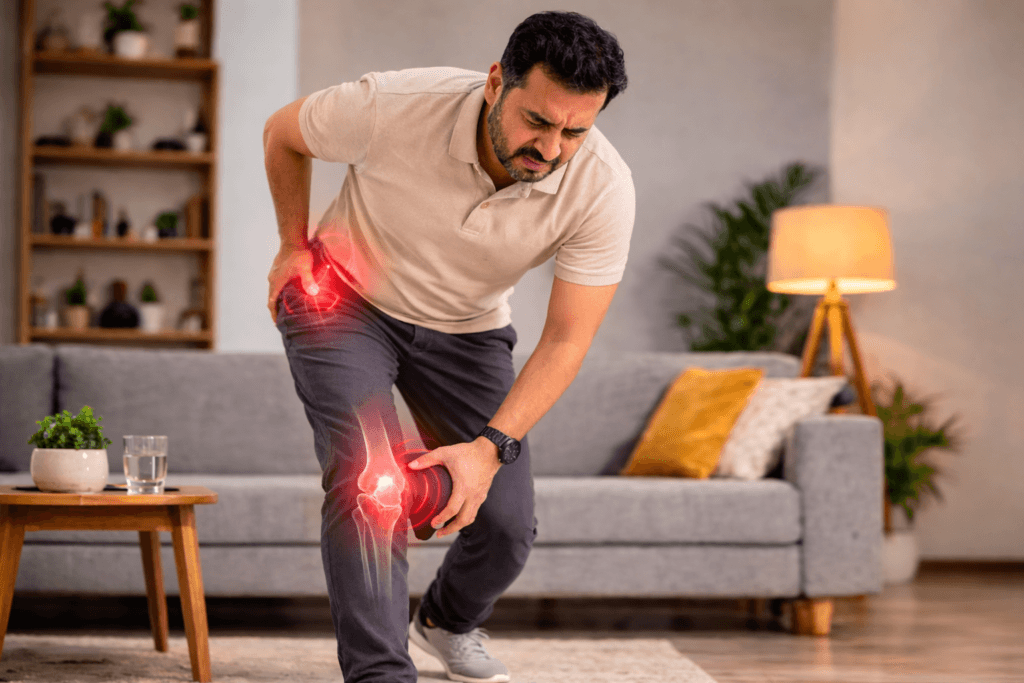
Hip and knee pain is one of the most common mobility problems people experience today. Whether caused by aging, long hours of sitting, excessive physical work, or reduced physical activity, discomfort in these joints can significantly affect daily life. Activities like walking, climbing stairs, bending, or standing up from a chair may become difficult when the joints are stiff or painful.
Many people are now searching for acupressure for hip and knee pain as a natural way to support joint comfort and mobility. Acupressure is a traditional therapy that focuses on stimulating specific pressure points on the body. These points are believed to help improve circulation, relax muscles, and support the body’s natural balance.
In this article, we will explore how acupressure for hip and knee pain works, which pressure points are commonly used, and how regular stimulation of these points may help support healthier joints and better movement.
Understanding the Causes of Hip and Knee Pain
The hip and knee joints are among the largest and most important joints in the human body. They play a major role in supporting body weight and allowing smooth movement. Every step you take puts pressure on these joints.
Several factors may contribute to discomfort in these areas, including:
Poor posture during sitting or standing
Weak muscles around the hips and knees
Reduced blood circulation in the legs
Joint stiffness due to inactivity
Excess body weight
Age-related wear and tear
When muscles surrounding the joints become tight or weak, it may lead to reduced flexibility and discomfort during movement. This is one reason why many people explore acupressure for hip and knee pain as part of their wellness routine.
How Acupressure May Help Support Joint Health
Acupressure is based on the concept that specific points on the body are connected through energy pathways. Applying gentle pressure to these points may stimulate circulation and relax the muscles around them.
When practiced correctly, acupressure for hip and knee pain may support several aspects of joint wellness.
Possible supportive benefits include:
Improved circulation in the lower body
Relaxation of tight muscles
Support for joint flexibility
Reduced stiffness in the legs
Better overall body balance
Many therapists incorporate these techniques as part of natural joint care approaches.
Important Acupressure Points for Hip and Knee Pain
Several pressure points are traditionally used to support lower body mobility. Below are some commonly referenced points in acupressure for hip and knee pain therapy.
ST36 (Zusanli) – Supporting Leg Strength and Circulation
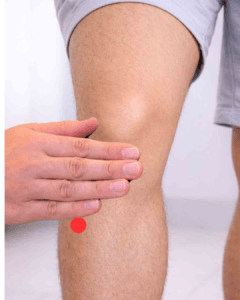
The ST36 acupressure point is one of the most commonly used points in traditional therapy. It is located approximately four finger-widths below the kneecap and slightly to the outer side of the shin bone.
This point is often associated with overall body strength and circulation.
Stimulating ST36 may help support:
Circulation in the legs
Muscle endurance
Knee joint stability
Lower body energy balance
Because of its connection with leg strength, this point is often included in acupressure for hip and knee pain routines.
K3 (Taixi) – Supporting Lower Body Balance
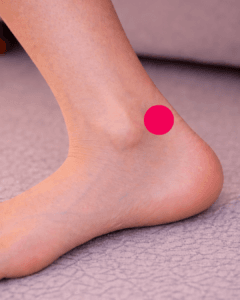
The K3 acupressure point is located near the inner ankle, between the ankle bone and the Achilles tendon. This point is commonly associated with balance and stability in the lower body.
Stimulating this point may help support:
Joint stability in the legs
Improved circulation in the ankle area
Better balance during movement
Relaxation in the lower body muscles
Due to its role in mobility, K3 is often used alongside other points in acupressure for hip and knee pain therapy.
GB34 (Yanglingquan) – Supporting Muscle Relaxation
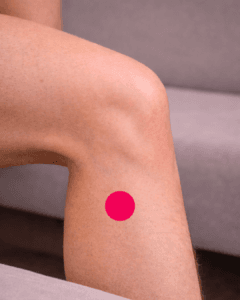
The GB34 acupressure point is located on the outer side of the knee, slightly below the knee joint.
In traditional therapy, this point is frequently associated with muscle and tendon health.
Stimulating GB34 may help support:
Relaxation of muscles around the knee
Improved leg flexibility
Reduced muscle tightness
Better movement of the lower body
For this reason, GB34 is often considered an important point in acupressure for hip and knee pain treatments.
Correct Technique for Acupressure
Using the correct technique is important to receive the potential benefits of acupressure.
Follow these basic steps when practicing acupressure for hip and knee pain:
Locate the correct pressure point.
Use your thumb or finger to apply gentle pressure.
Press firmly but comfortably.
Move the finger in small circular motions.
Continue stimulation for 30–60 seconds.
Repeat on the other side of the body if needed.
Consistency and gentle pressure are key when practicing acupressure.
Benefits of Practicing Acupressure Regularly
When practiced regularly, acupressure for hip and knee pain may help support overall lower body wellness.
Possible benefits include:
Improved blood circulation in the legs
Reduced muscle stiffness
Better joint flexibility
Support for natural body balance
Improved comfort during walking or movement
Many individuals incorporate acupressure into their wellness routines along with stretching, exercise, and posture improvement.
Additional Lifestyle Tips for Healthy Joints
Acupressure works best when combined with healthy lifestyle habits.
Stay Physically Active
Regular physical activity helps maintain joint flexibility and muscle strength.
Maintain a Healthy Weight
Reducing excess body weight can help decrease stress on the hip and knee joints.
Practice Regular Stretching
Stretching exercises can help relax muscles and support joint mobility.
Improve Posture
Maintaining proper posture while sitting or standing helps reduce unnecessary pressure on the joints.
Stay Hydrated
Drinking enough water supports healthy circulation and tissue function.
When to Consult a Professional
Although acupressure for hip and knee pain may help support comfort and circulation, persistent or severe pain should always be evaluated by a healthcare professional.
A trained therapist or medical expert can assess the underlying cause and recommend appropriate treatment options.
Conclusion
Hip and knee pain can affect mobility and daily activities. Natural techniques like acupressure for hip and knee pain may help support circulation, muscle relaxation, and joint flexibility.
Pressure points such as ST36, K3, and GB34 are commonly used in traditional therapies focused on lower body wellness. When practiced regularly and combined with healthy lifestyle habits, acupressure may contribute to improved movement and overall joint comfort.
Consistency and proper technique are essential. Gentle and regular stimulation of these pressure points may help support long-term mobility and well-being.