

Modern lifestyles have significantly changed how our bodies function. Long hours of sitting, excessive screen time, and limited physical movement have led to a noticeable increase in shoulder stiffness and cervical discomfort. Many people today experience difficulty lifting their arms, rotating their shoulders, or even turning their necks comfortably.
In many cases, these symptoms are associated with conditions like frozen shoulder or cervical stiffness. While conventional treatments often focus on pain relief medications or physiotherapy, traditional wellness systems such as Ayurveda emphasize a deeper understanding of the body’s natural balance and energy flow.
This article explores frozen shoulder and cervical stiffness from an Ayurvedic wellness perspective, including how certain acupressure points and natural body connections may help support mobility and comfort.
Understanding Frozen Shoulder
Frozen shoulder, medically known as adhesive capsulitis, is a condition where the shoulder joint becomes stiff and painful. Over time, it can significantly reduce the range of motion, making everyday activities difficult.
Common symptoms include:
-
Pain while raising the arm
-
Difficulty rotating the shoulder
-
Tightness around the shoulder joint
-
Restricted arm movement
-
Gradual loss of flexibility
From a holistic wellness viewpoint, Ayurveda often associates joint stiffness with imbalance in body energies, particularly when mobility and lubrication within joints are affected.
When the shoulder becomes stiff, simple daily actions such as combing hair, reaching overhead, or lifting objects may become challenging.
Cervical Stiffness: A Growing Lifestyle Issue
Along with shoulder discomfort, cervical stiffness has become increasingly common. Many office workers, students, and professionals experience tightness in the neck due to prolonged sitting and poor posture.
Typical symptoms of cervical stiffness include:
-
Neck tightness after long working hours
-
Pain while turning the head
-
Shoulder and upper back tension
-
Reduced neck flexibility
Traditional wellness systems like Ayurveda often emphasize posture, movement, and balanced daily routines to support musculoskeletal health.
When neck and shoulder muscles remain tense for long periods, stiffness can gradually spread to surrounding areas, affecting the entire upper body.
The Body’s Natural Connection to Shoulder Mobility
One interesting concept found in many traditional healing systems is that different parts of the body are interconnected. Specific areas or points are believed to influence movement, circulation, and muscular balance.
Within Ayurveda-inspired wellness practices, attention is often given to pressure points and energy pathways that support joint flexibility and muscle relaxation.
For example, certain points located on the shoulder, hand, and even the leg are traditionally associated with improving upper body mobility.
These points are commonly used in acupressure therapy, which focuses on gentle stimulation to encourage natural body balance.
Important Acupressure Points Associated with Shoulder Movement
1. LI15 – Shoulder Support Point
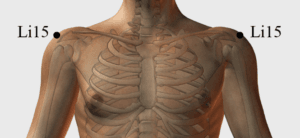
LI15 is located near the front area of the shoulder. This point is traditionally associated with shoulder movement and flexibility.
Stimulating this point gently may help support:
-
Shoulder mobility
-
Muscle relaxation around the joint
-
Improved comfort during arm movement
Many traditional practitioners consider this point important for maintaining natural shoulder function.
2. SI3 – Hand Connection Point
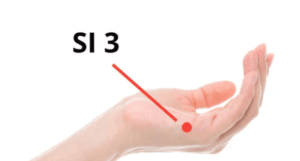
Another interesting point related to upper body movement is SI3, located on the outer side of the hand.
Although it may seem surprising that a hand point can influence the shoulder, traditional wellness systems often describe the body as a connected network of pathways.
Gentle stimulation of this point is traditionally believed to support:
-
Neck flexibility
-
Upper back relaxation
-
Shoulder movement coordination
In practices connected with Ayurveda-inspired acupressure techniques, SI3 is often mentioned as a supportive point for upper body tension.
3. ST38 – Leg Point Linked to Shoulder Flexibility
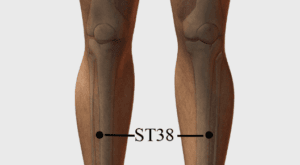
One of the most fascinating points related to shoulder movement is ST38, located on the lower leg.
Even though it is far from the shoulder joint, traditional knowledge suggests that this point may influence shoulder flexibility and arm movement.
Stimulating ST38 gently may help support:
-
Shoulder range of motion
-
Muscle coordination
-
Natural body balance
This concept highlights how holistic systems like Ayurveda emphasize the interconnectedness of the body.
Gentle Stimulation and Awareness Movements
Many traditional wellness practices suggest that gentle pressure or mindful stimulation of specific points may help encourage natural movement.
Some commonly practiced methods include:
-
Light acupressure using the thumb
-
Gentle circular pressure for 30–60 seconds
-
Slow breathing during stimulation
-
Mindful arm movements after pressure release
These methods are often practiced carefully and consistently rather than forcefully.
In Ayurveda-inspired wellness approaches, the focus is usually on balance, patience, and gradual improvement, rather than instant results.
Lifestyle Factors That Affect Shoulder and Neck Health
Besides specific points and natural therapies, lifestyle habits play a major role in maintaining joint mobility.
Several daily habits can contribute to stiffness:
Prolonged Sitting
Sitting for long periods reduces circulation and increases muscle tension in the neck and shoulders.
Poor Posture
Forward head posture while using phones or laptops places additional strain on the cervical region.
Lack of Movement
Limited physical activity can reduce joint flexibility over time.
Traditional systems like Ayurveda strongly emphasize balanced daily routines, which include regular movement, stretching, and mindful body awareness.
Simple Preventive Practices
To maintain healthy shoulder and neck mobility, consider incorporating the following habits:
1. Regular Movement Breaks
Take short breaks every 30–60 minutes to stretch and move your shoulders.
2. Gentle Shoulder Rotations
Slow shoulder rotations can help maintain joint flexibility.
3. Neck Mobility Exercises
Simple neck movements can reduce stiffness caused by prolonged sitting.
4. Mindful Body Awareness
Paying attention to posture and body alignment throughout the day can prevent excessive strain.
These small lifestyle adjustments align well with Ayurvedic wellness principles, which focus on maintaining harmony within the body.
A Holistic Approach to Managing Stiffness
Frozen shoulder and cervical stiffness can affect daily life, but adopting a holistic approach may help support gradual improvement.
Rather than focusing only on symptoms, traditional wellness systems like Ayurveda encourage a broader perspective, considering lifestyle, movement patterns, and body awareness.
Gentle practices such as acupressure, mindful movement, and posture correction can contribute to better musculoskeletal balance and comfort.
With consistent care and attention to body signals, it is possible to support greater flexibility and improved mobility over time.
Final Thoughts
Shoulder stiffness and cervical discomfort have become increasingly common in modern lifestyles. Long working hours, limited physical activity, and poor posture all contribute to these issues.
However, by combining mindful movement, natural wellness approaches, and Ayurvedic insights, individuals may better support their joint health and overall well-being.
Understanding the body’s natural connections and practicing gentle care can help restore comfort and mobility.
Remember, small consistent steps often lead to meaningful long-term improvements.
Move better. Feel lighter.