
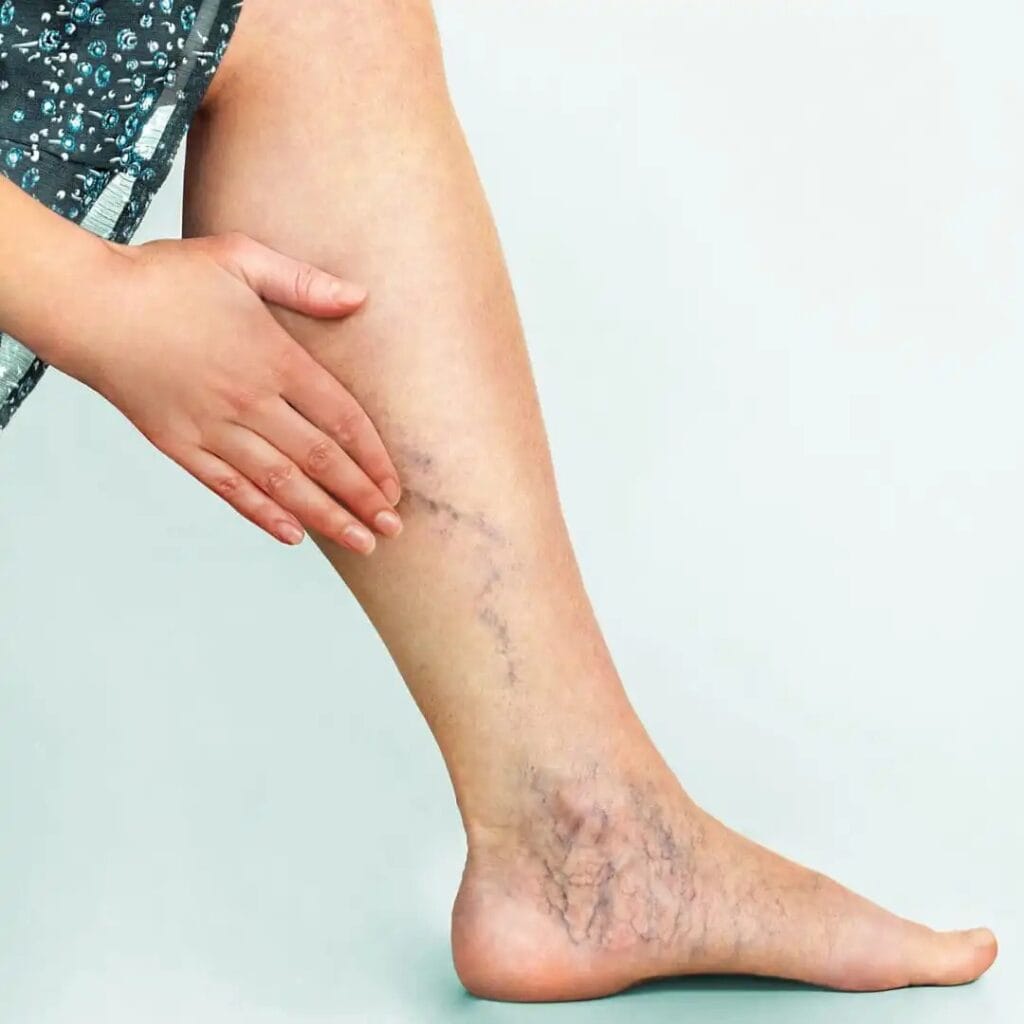
Varicose veins are a common vascular condition that affects millions of people worldwide. While modern medicine offers various treatment options, traditional systems like Traditional Chinese Medicine (TCM) and Ayurveda provides unique perspectives on the causes and treatments of varicose veins. In this blog, we delve into the main reasons for varicose veins according to TCM and Ayurveda, offering insights into holistic approaches to managing this condition.
Understanding Varicose Veins: Varicose veins are enlarged, twisted veins that usually occur in the legs. They develop when the valves within the veins weaken or fail, causing blood to pool and the veins to swell. Common symptoms include pain, heaviness, and aching in the legs, as well as visible, bulging veins.
TCM Perspective:
In Traditional Chinese Medicine, varicose veins are often attributed to imbalances in the body’s Qi, blood, and meridian systems. According to TCM theory, several factors contribute to the development of varicose veins:
- Qi Stagnation: TCM believes that stagnant Qi can lead to blood stagnation, causing veins to become swollen and varicose. Lifestyle factors such as prolonged sitting or standing, lack of exercise, and emotional stress can all contribute to Qi stagnation.
- Blood Stasis: Poor circulation and sluggish blood flow can result in blood stasis, which manifests as varicose veins. TCM practitioners may recommend herbs and acupuncture to promote blood circulation and resolve stasis.
- Spleen and Kidney Deficiency: TCM identifies the spleen and kidneys as vital organs for maintaining healthy blood circulation. Deficiencies in these organs can weaken the veins and lead to varicosities. Herbal formulas and dietary adjustments may be prescribed to tonify spleen and kidney Qi.
- Dampness and Phlegm: Excessive dampness and phlegm in the body can obstruct the flow of Qi and blood, exacerbating varicose veins. TCM treatments aim to resolve dampness through dietary modifications, acupuncture, and herbal medicine.
Dietary Recommendations:- Foods to Avoid: TCM advises against consuming foods that create dampness and stagnation in the body, such as greasy and fried foods, excessive dairy, refined sugars, and alcohol.
- Foods to Incorporate: Emphasize foods that promote circulation and blood flow, such as ginger, garlic, onions, and dark leafy greens. Additionally, foods rich in antioxidants and flavonoids, like berries and citrus fruits, can help strengthen blood vessel walls.